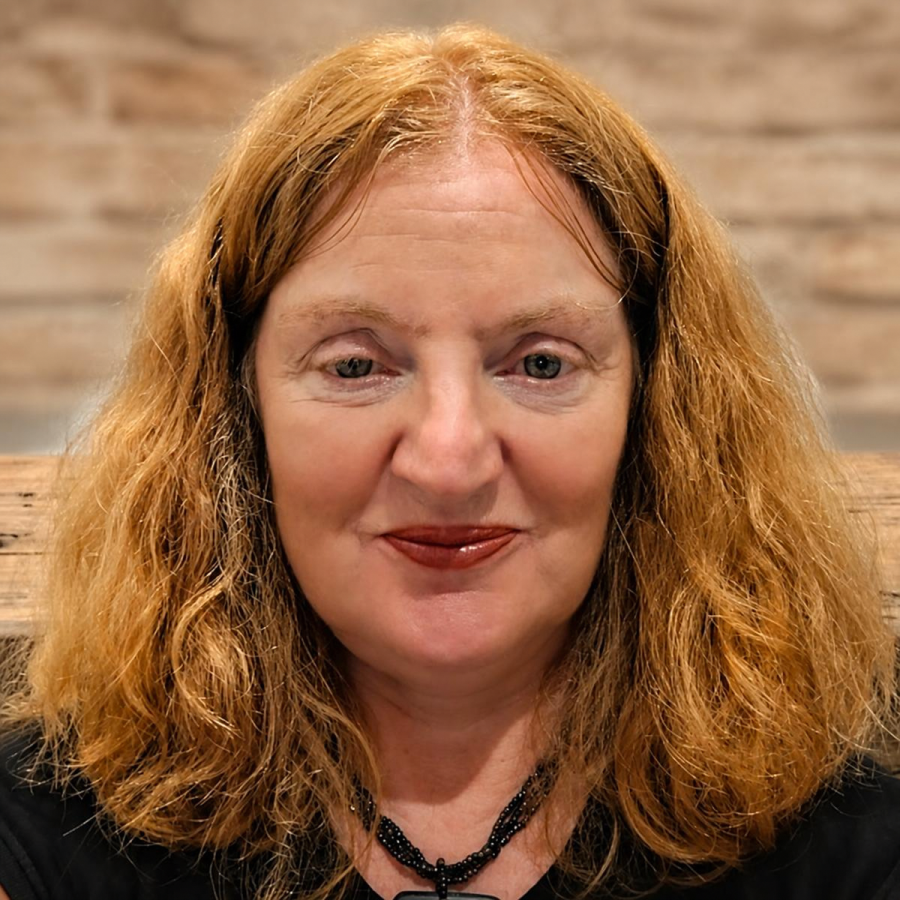
By Samantha Dorney-Smith
At Pathway, one of the greatest privileges in my role as Lead Nurse was working alongside people with lived experience of homelessness. We often refer to them as “Experts by Experience” because that is exactly what they are. Their knowledge is not drawn from textbooks, professional training, or policy documents. It comes from navigating some of the most challenging circumstances imaginable and using those experiences to help shape better services for others.
These individuals play a vital role in ensuring that the ideas, concerns and recommendations put forward by professionals are grounded in reality. They help us understand what works, what does not, and what meaningful change actually looks like from the perspective of those who use services. Some have worked with Pathway for many years, while others contribute at different stages in their lives before moving on to employment, education, volunteering, or simply a more secure and fulfilling future. Whatever their journey, their contribution is invaluable.
This has been particularly evident in the IMPROVE project, the three-year programme that I am now working on evaluating Communities of Practice designed to improve palliative and end of life care for people experiencing homelessness across ten sites in England. From the outset, lived experience has been embedded into the project, as an Expert by Experience contributed directly to the development of the methodology and research protocol, helping to ensure that the programme reflected the realities of people’s lives from the very beginning.
Since then, our Lived Experience Steering Group has been integral to every aspect of the programme. Meeting regularly and supported through reflective practice and one-to-one sessions, members have helped shape interview questions, interpret research findings, and guide how Communities of Practice can be welcoming, inclusive and psychologically safe for people with lived experience. Their insight has challenged assumptions, strengthened our research, and enriched our understanding of what truly person-centred care looks like.
One of the most exciting outcomes of this collaboration has been the development of a series of educational resources, including a collection of films that we are now sharing more widely. These resources were created with, rather than for, people with lived experience, ensuring that the messages they contain are authentic, powerful and relevant.
The first four films developed through the IMPROVE project explore key themes including access to healthcare, the impact of psychological trauma on health and wellbeing, the myth of homelessness as a lifestyle choice, and what person-centred care means from the perspective of someone experiencing homelessness. Following the positive response to these films, we developed two additional resources, focusing on recovery and the value of lived experience roles within services and teams.
Together, these films invite practitioners, educators and organisations to reflect on how they understand homelessness, trauma and care. They challenge stereotypes, encourage empathy and demonstrate how small changes in practice can have a profound effect on people’s lives.
Perhaps the most important film of all is the one exploring the myth of lifestyle choice. In 2023, comments suggesting that homelessness was a “lifestyle choice” prompted significant public debate and criticism. Yet for many people, the realities of homelessness remain poorly understood. The film helps viewers see beyond simplistic narratives and appreciate the complex web of trauma, poverty, ill health, adverse childhood experiences, housing insecurity and systemic barriers that often shape a person’s pathway into homelessness.
More importantly, it demonstrates that recovery is possible, particularly when individuals encounter services and professionals who recognise their humanity and value. Time and again, the stories featured in these films show that simple acts of kindness, respect and genuine engagement can become turning points in someone’s life. A conversation, a welcoming attitude, or a professional who takes the time to listen can help a person feel seen, valued and worthy of support.
These messages are especially important for healthcare practitioners. Every interaction matters. The way we speak to people, involve them in decisions, and respond to their experiences can either reinforce exclusion or create opportunities for trust and recovery. Trauma-informed, compassionate care is not an optional extra; it is fundamental to effective practice.
It is also important to recognise the generosity behind these resources. Members of our Lived Experience Steering Group contribute as volunteers. While they receive modest recognition for their involvement, they are ultimately giving something far more significant: their personal stories, reflections and emotional labour. Sharing experiences of homelessness, trauma, loss and recovery is not easy. It requires courage, trust and a commitment to helping others. We remain deeply grateful for everything they have contributed to this work.
Sadly, one of the people featured in these films died on Christmas Day 2025 at the age of just 42. Her death was profoundly felt by everyone involved in the project. Tragically, 42 is also the average age of death for women experiencing homelessness. Her story reminds us why this work matters so much. Too many people continue to die prematurely because they face barriers to healthcare, housing, support and opportunity.
The films are therefore more than educational resources. They are a call to action. They ask us to think differently about homelessness, to challenge assumptions, and to recognise the power we all have to make a difference.
Whether you are a student, educator, healthcare professional, policy-maker, or simply someone interested in creating a fairer society, I encourage you to engage with these resources and share them widely. By listening to the voices of people with lived experience, we can build services that are more compassionate, inclusive and effective.
Most importantly, we can help create a future where fewer people are excluded from care, and where everyone is treated with the dignity, respect and humanity they deserve.How our new Lived Experience Films will help you to frame and deliver Better Care